

Close

    Korea Tourist Places

    Jhumka Water Tourism (Oadgi, Baikunthpur):

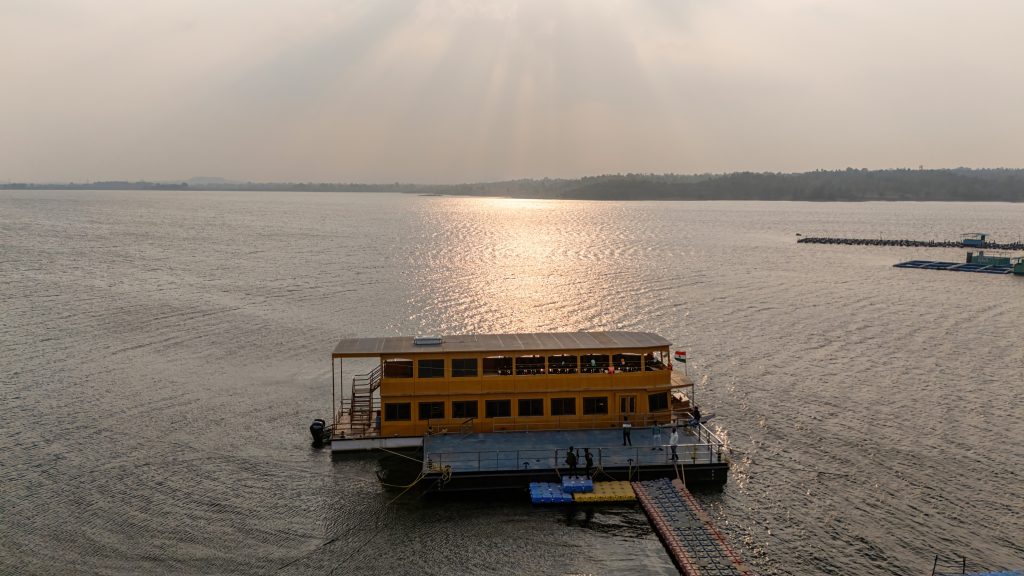
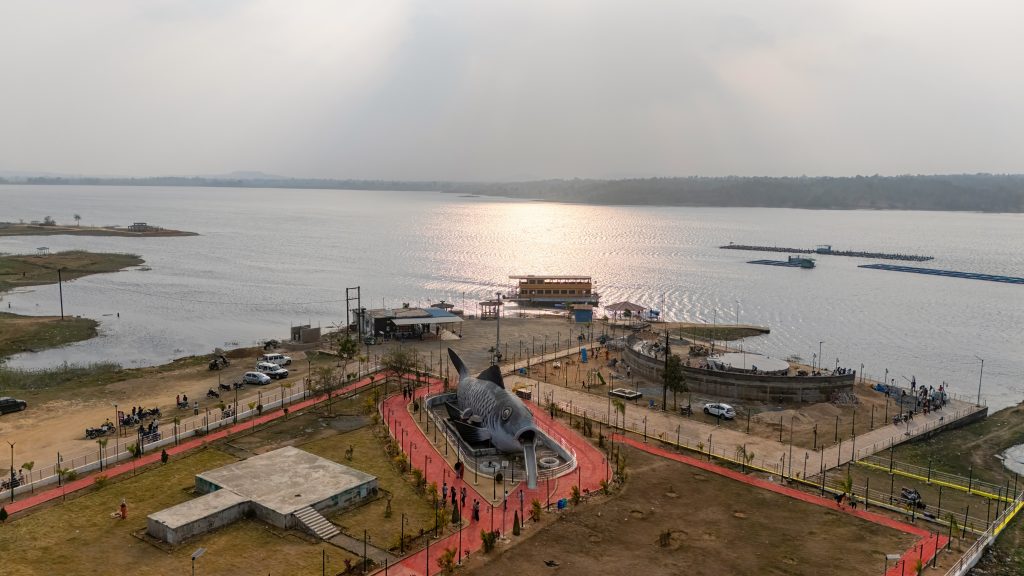
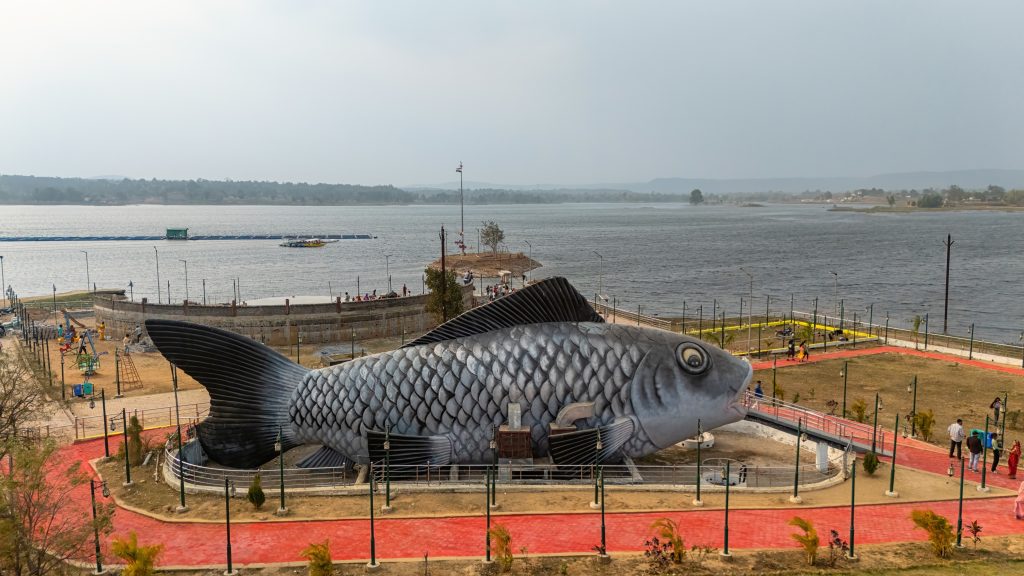
    The Jhumka Reservoir is situated in Odgi village, located 3 kilometers from the district headquarters of Koriya. To promote tourism development, the Jhumka Water Tourism Society has established a boat club here, which operates speedboats, paddle boats, and houseboats. Nearby facilities include a parking area, a fish aquarium, a cafeteria, and a mini-theater.
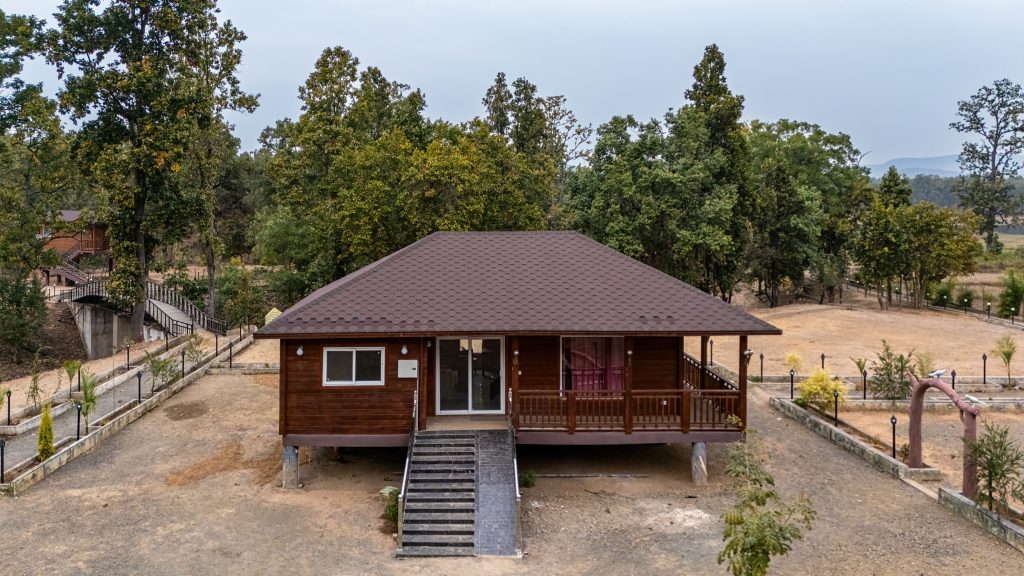
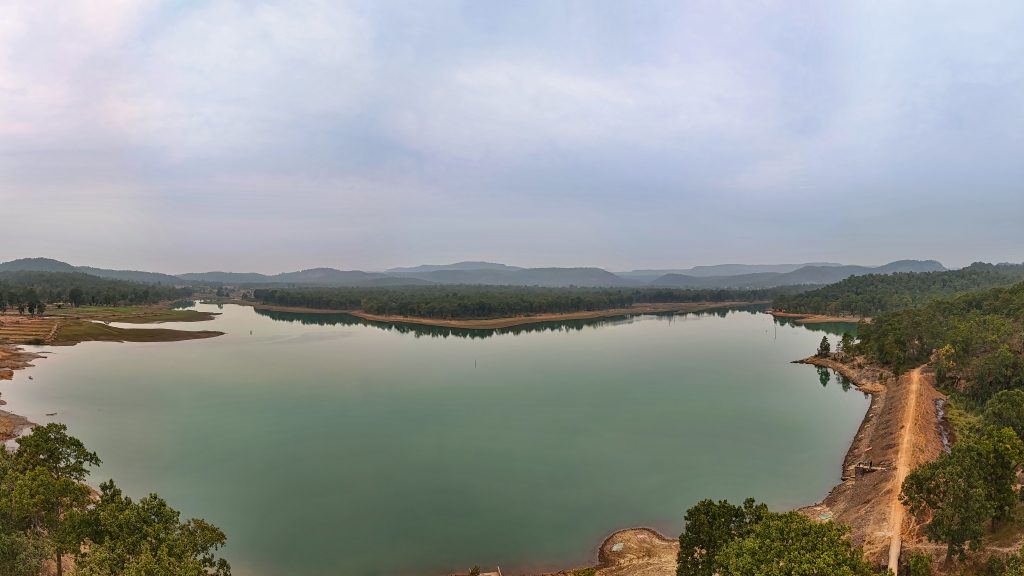
    Ghunghutta Reservoir Tree House Cottages, Amhar, Sonhat:

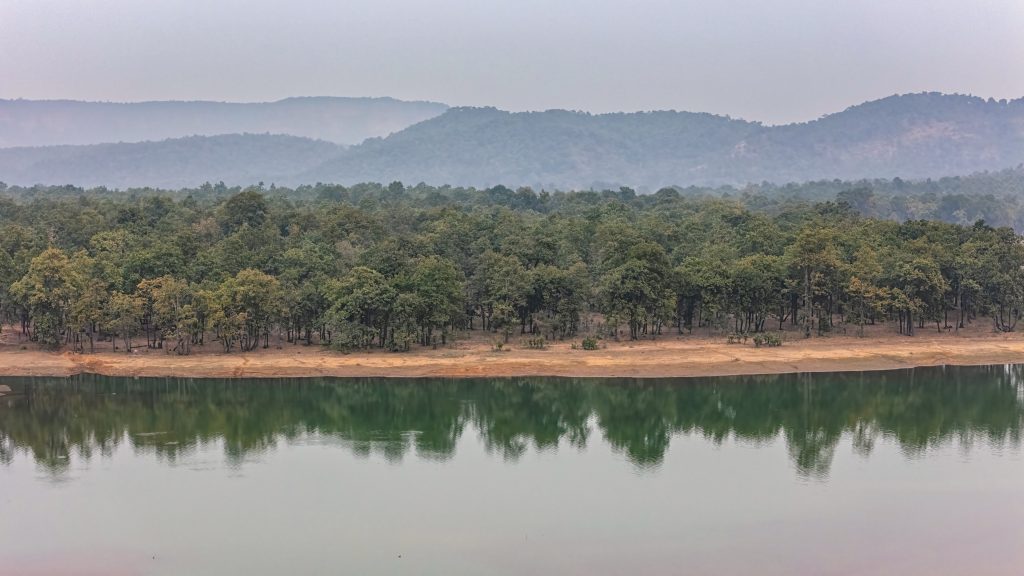
    Situated approximately 38 kilometers from the district headquarters of Koriya—near the village of Amahar in the Sonhat development block—the Ghunghutta Reservoir lies amidst dense Sal forests and surrounding hills. It is a profoundly tranquil destination where arrangements have been made for tourists to stay, featuring cottages, treehouses, and a restaurant.

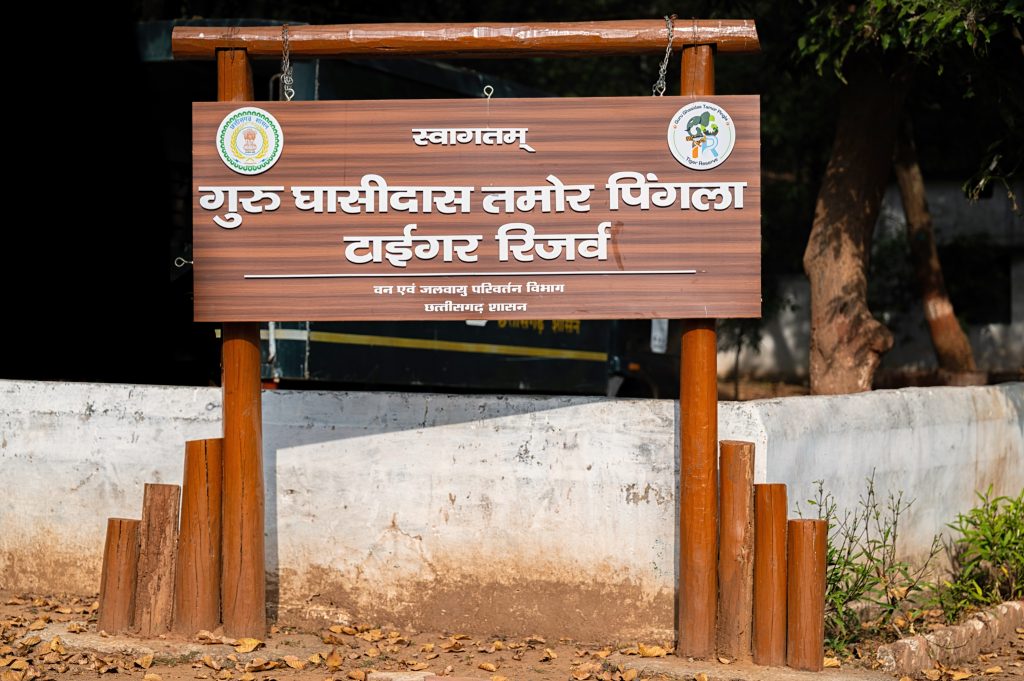
    Tamor Pingla Guru Ghasidas National Park, Sonhat, Ramgarh :

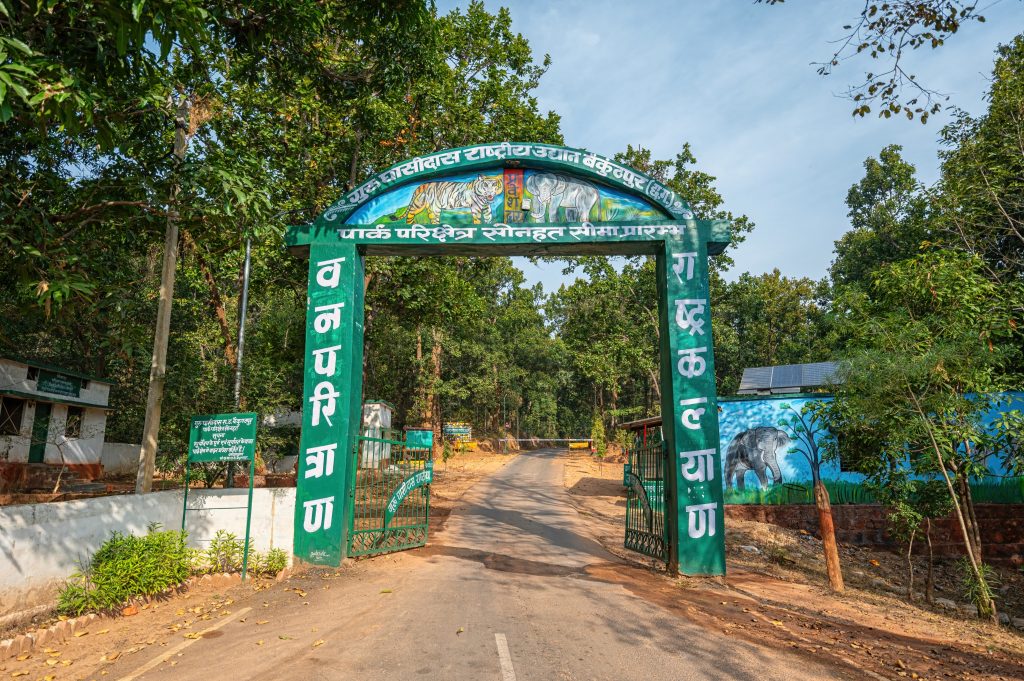
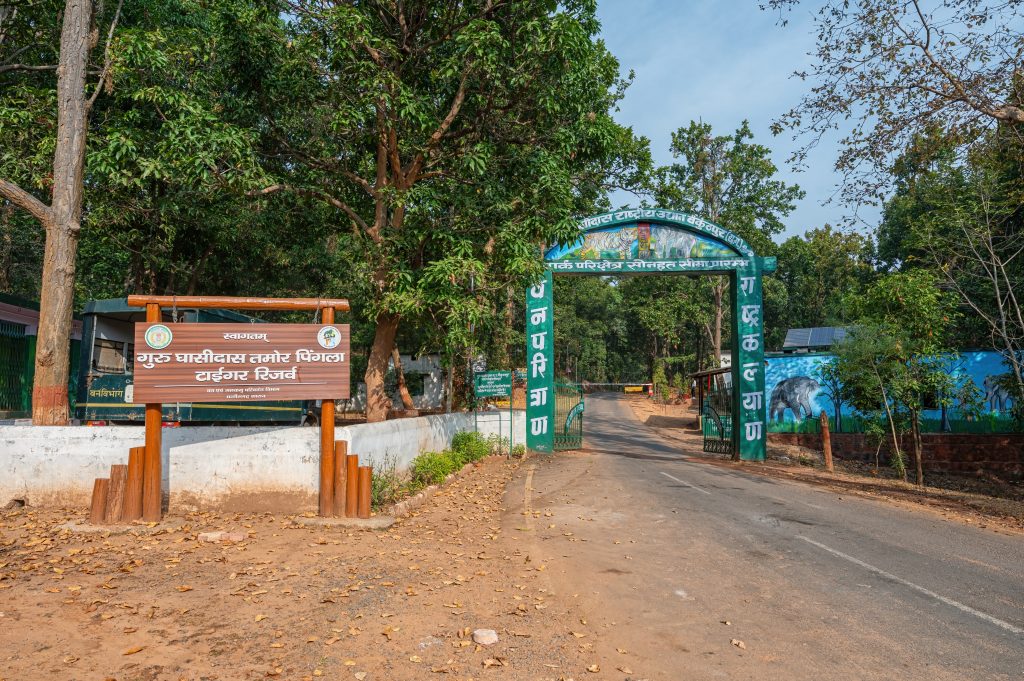
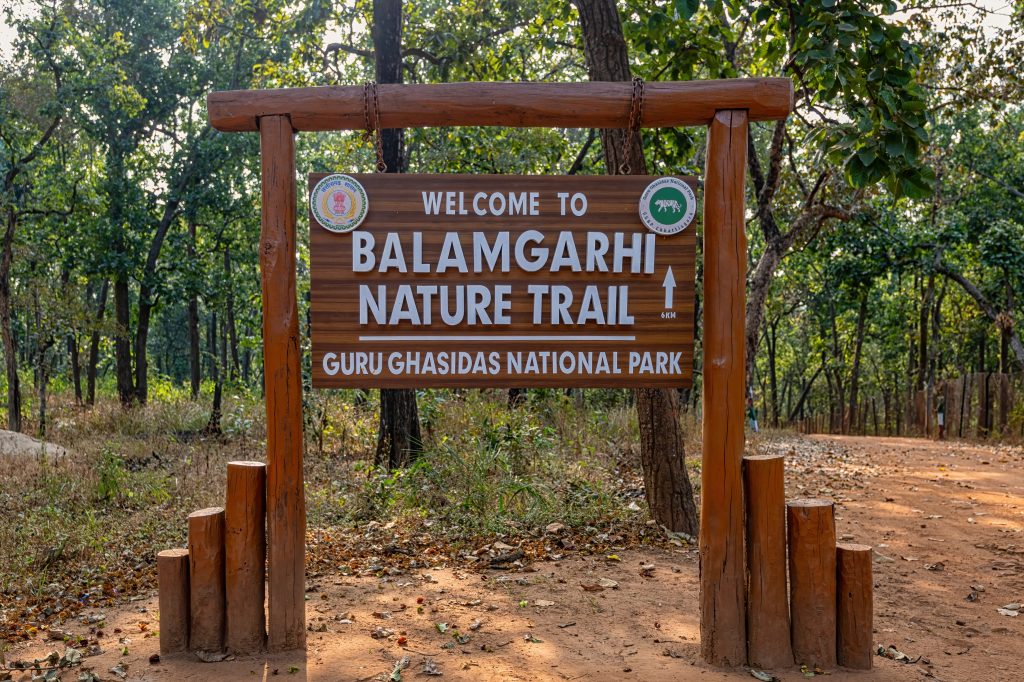
    The entrance to this National Park is located near the village of Mendra, situated 36 kilometers from the district headquarters of Koriya; the park extends up to the village of Anandpur Goyni, a distance of 70 kilometers. Within this National Park, alongside beautiful natural landscapes and historical sites, wild animals—such as lions, tigers, nilgai, wild buffaloes, wild boars, swamp deer, and chital—roam freely, making it a destination well worth visiting during both the summer and winter seasons.

    Ramdhara Waterfall, Tanjra, Sonhat :

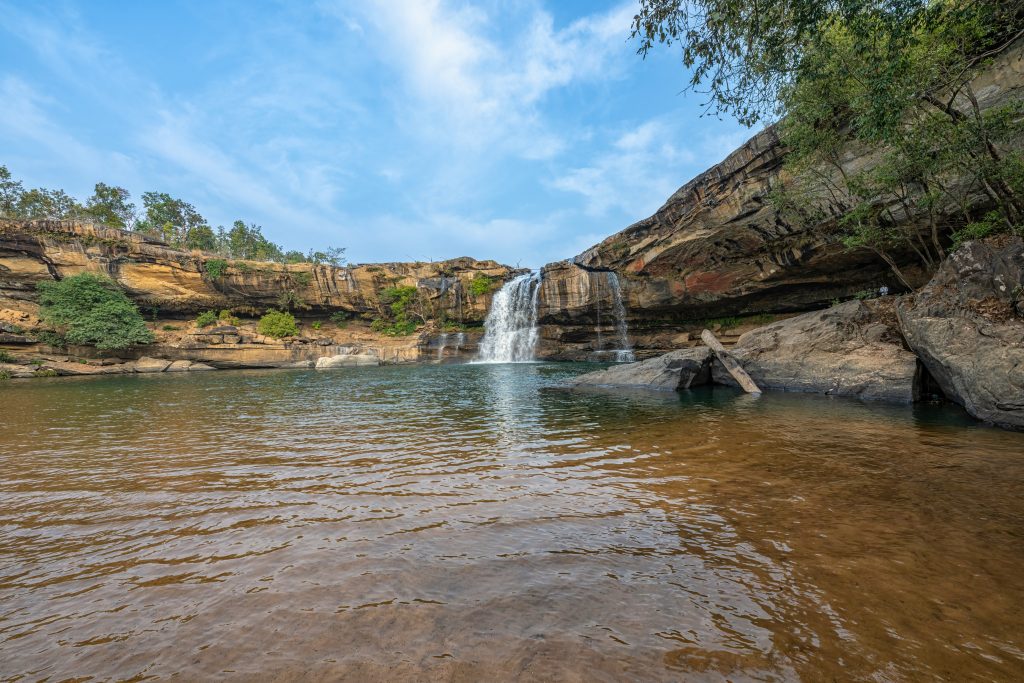
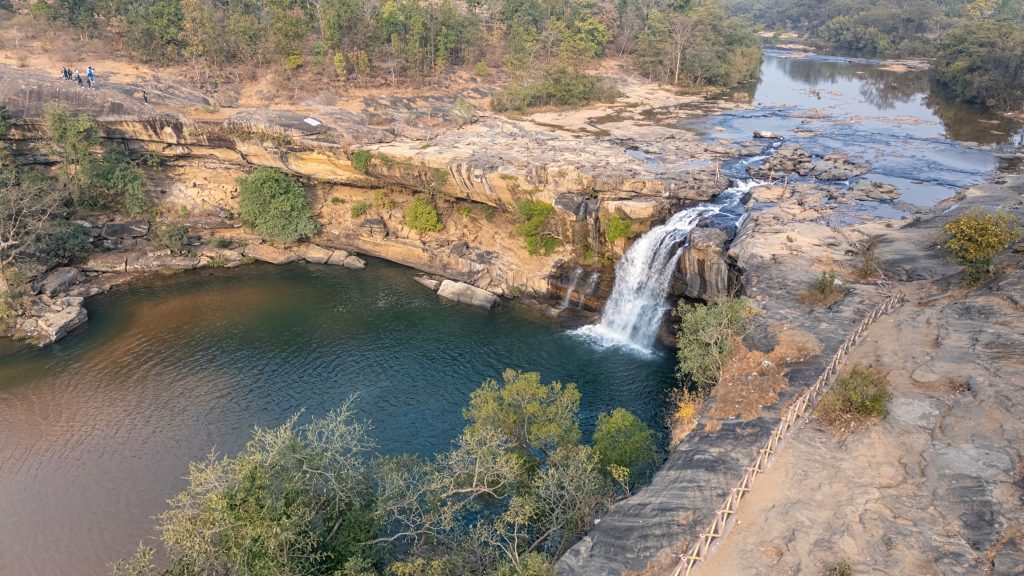
    Located 42 kilometers from the district headquarters of Koriya, Tanjara is reached by traveling through the village of Kailashpur in the Sonhat development block, via Kesgawan. From this point, situated 2 kilometers deep within the forest, lie three waterfalls—Hanumandhara, Ramdhara, and Lakshmandhara—positioned in succession. The nearby Sitakund is also located in this vicinity. This beautiful natural site features perennial waterfalls with a continuous flow of water throughout the year; it is historically significant as a region traversed by Lord Rama during his period of exile in the forest. The site is recognized as a state-level tourist destination.

    Gourghat Waterfall Baser, Sonhat:

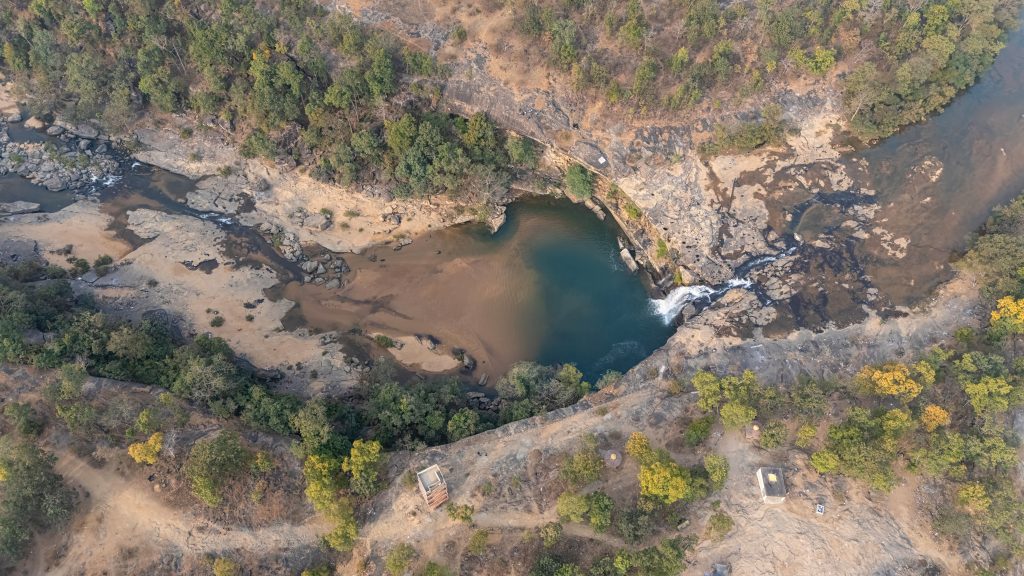
    जिला मुख्यालय कोरिया से 40 किमी दूर सोनहत विकास खण्ड के कठगोड़ी दमुज तर्रा एवं बसेर के बीच से जंगल मे दाहिनी तरफ 7 किमी अंदर हसदो नदी पर चारो तरफ सुंदर जंगलों के मध्य गौरघाट जलप्रपात है जो सुंदर पर्यटन स्थल है जहॉ पर राज्य स्तर से पर्यटक लोग आते है।

    Air-conditioned natural site Akurinala (Amurinala) Bansipur, Sonhat:

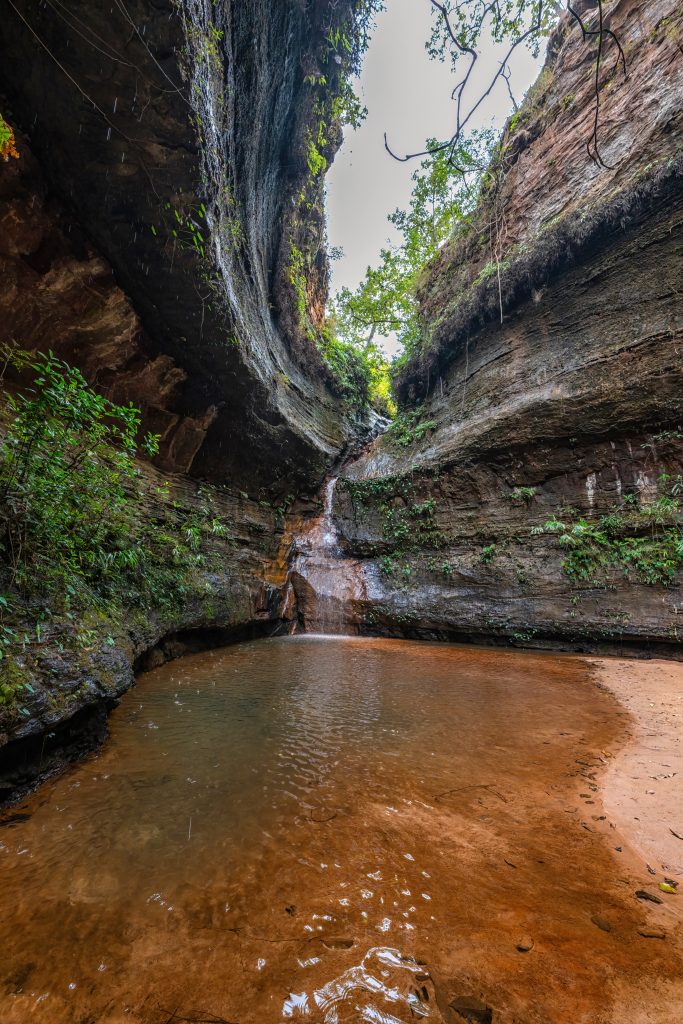
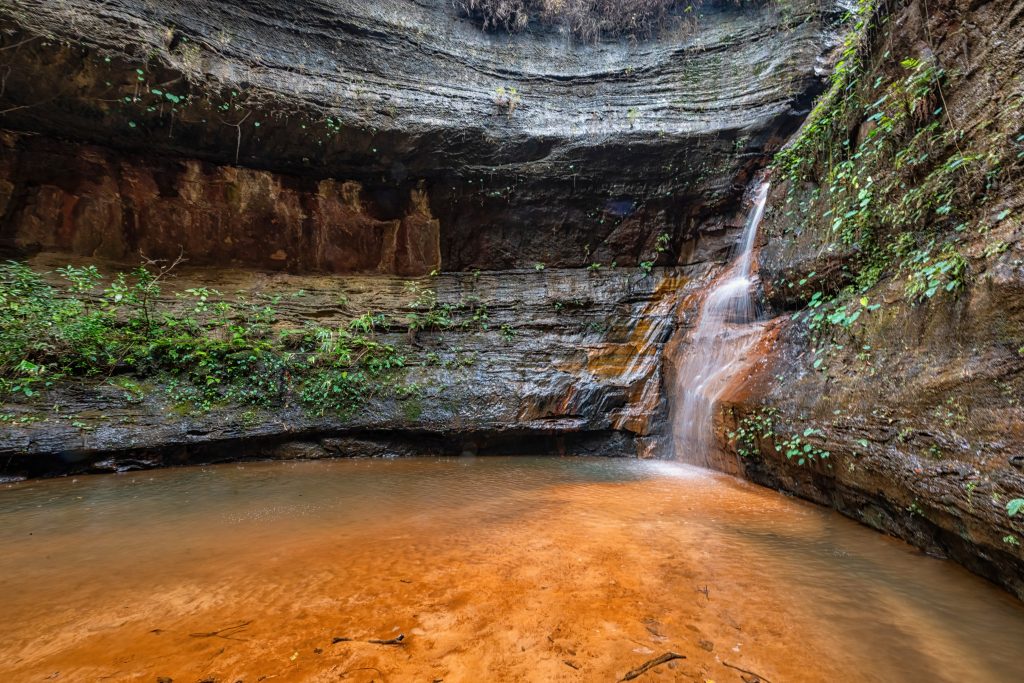
    Located 60 kilometers from the district headquarters of Koriya, the site is reached by traveling from Sonhat—via Bhaiswar, Akalasarai, and Kishori—to Banshipur; from there, a journey of 2 kilometers deeper into the forest leads to a waterfall situated on the Akurinala stream. Nearby, the rock formation takes the shape of a cave, though the rocks on the upper sides of the two banks do not meet. Water continuously drips, drop by drop, from the rock on one side; the site remains cool even during the summer months, earning it the moniker of an “air-conditioned spot.” The Honorable Chief Justice of the Chhattisgarh High Court has also visited this location.

    Chhurigarhdham, Modipara, Badgaon, Baikunthpur:

    Situated adjacent to the village of Modipara Badgaon—approximately 15 kilometers from the district headquarters of Koriya—lies Chhurigarhdham (a hill). This site is home to an ancient Shiva temple and features thousands of Bel trees growing across the entire hill, alongside various other medicinal plants. During the month of Sawan, a Jalabhishek (ritual water offering) ceremony is performed here.

    Devgarh Dham, Nanbhan, Chamat Hill — 84 Baba, Patna :

    Situated approximately 22 kilometers from the district headquarters—near the villages of Temri, Karhiyakhand, and Nanbhan—lies the ancient archaeological site of Devgarh Dham. A fair is held here annually, attracting tourists from far and wide who come to visit and offer their prayers. The name “Patna 84” is derived from this very “84 Baba.”

    Gangirani Cave, Natawahi, Ramgarh, Sonhat:

    Located 70 kilometers from the district headquarters—near the villages of Ramgarh and Natwahi, along the route from Sonhat—lies the ancient, rock-cut cave shrine of Goddess Gagirani Devi. It was here, in 1936, that the King of Korea, Ramanuj Pratap Singh Deo, initiated a fair—conducted under the priestly guidance of Pandit Shri Shyam Karan—to coincide with both Navratri festivals; a tradition that continues to this day. Chief Minister Dr. Raman Singh has also visited this site.

    Om Tirtha Omkareshwar Dham Kailashpur, Sonhat:

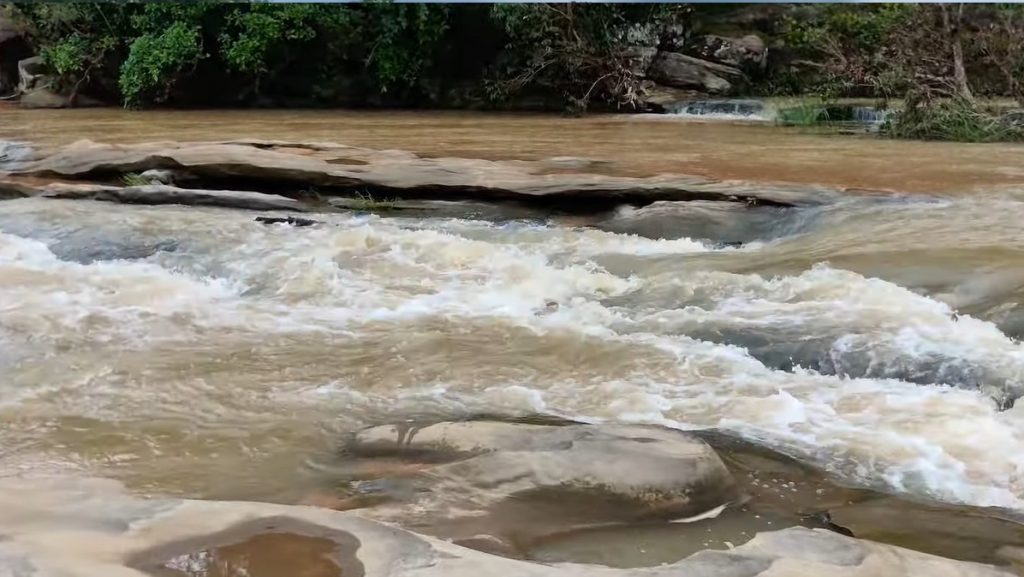
    Omteerth Omkareshwar Dham is situated on the banks of the Hasdeo River at Kailashpur village—located 26 kilometers from the district headquarters of Koriya and just before Sonhat. Naturally formed by the flow of the river, the water current here traces the shape of the sacred symbol ‘Om.’ It marks a Triveni Sangam—a confluence of three rivers—and is revered by the people; since 1999, an annual fair has been held here on the occasion of Makar Sankranti.

    Balamgadhi (Mendra):

    Situated 50 kilometers from the district headquarters of Koriya—accessible via the main Ramgarh route through Sonhat and Mendra, followed by a 5-kilometer detour inland—lies the Balmgarhi Hill. This site once served as the fortress and capital of King Balam, and also housed the bungalow of the Maharaja of Koriya, Ramanuj Pratap Singh Deo. Located nearby, within this very hilly region, the Gopad River originates from Chilli Dhodhi to the north, while the Hasdeo River—the “energy-giver” of Chhattisgarh State—emerges from the south.

    Sendurigarh, Badra, Sonhat :

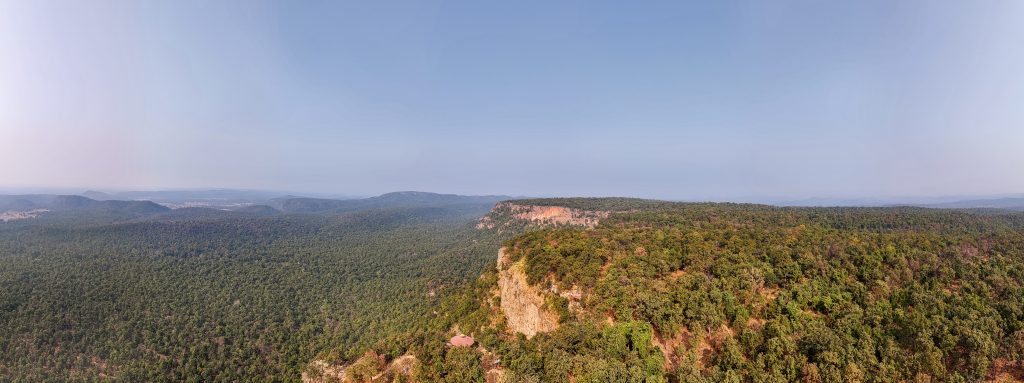
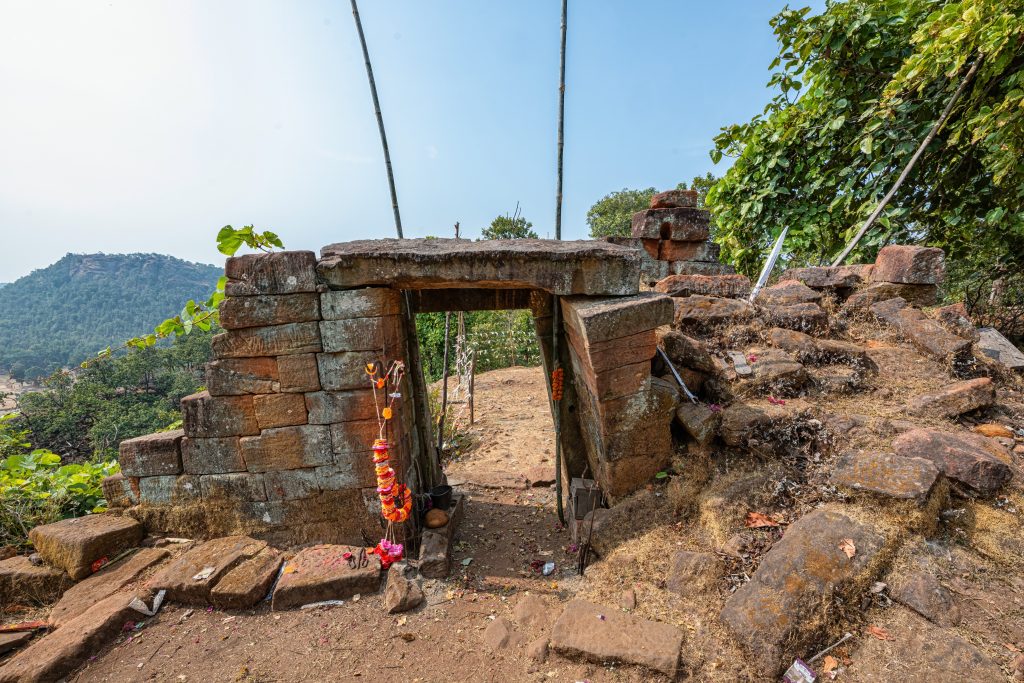
    Located 45 kilometers from the district headquarters of Koriya, Badra is reached via Sonhat and Bhaiswar. Situated atop a hill, the site features an ancient fort, the stone gateway of which remains standing to this day. Nearby, one can find rock paintings as well as a shrine dedicated to Goddess Mahamaya Durga; it is a beautiful natural site.

    Korea Palace, Baikunthpur, Sonhat:

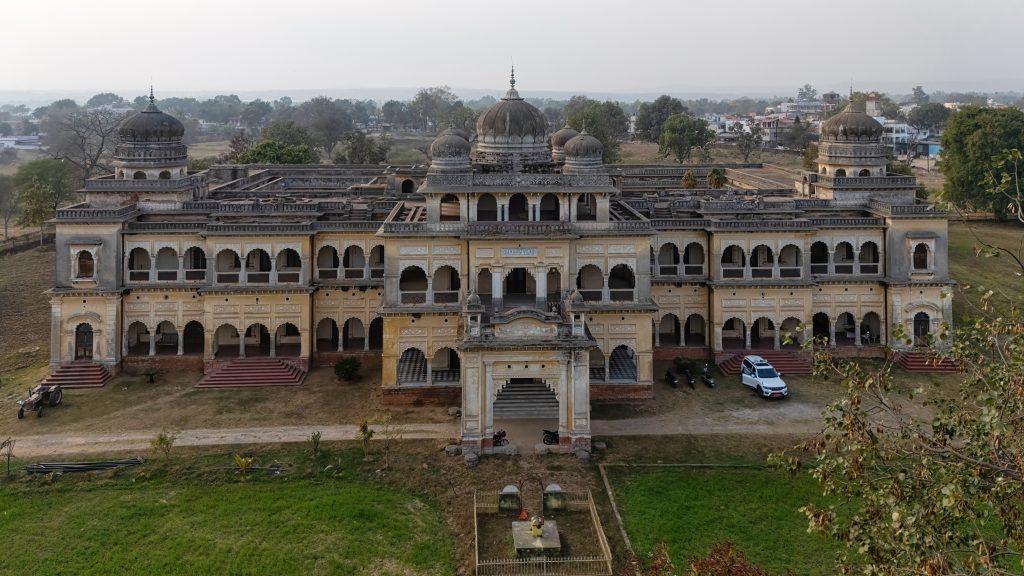
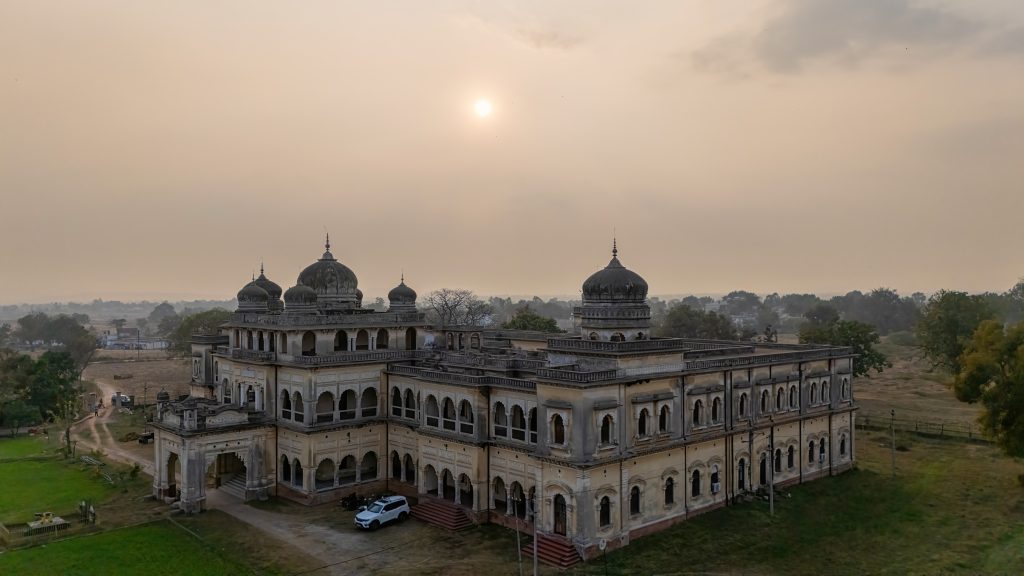
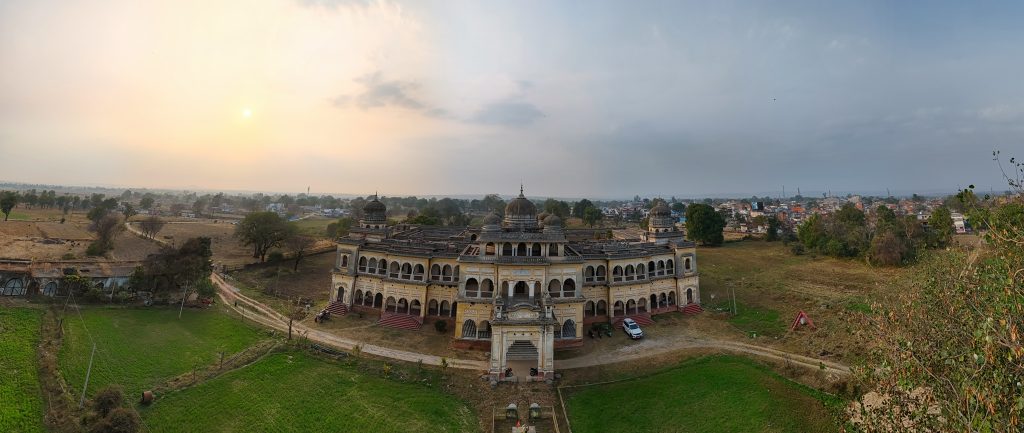
    The district headquarters, Baikunthpur, has served as the capital since 1901; the Korea Palace—constructed between 1923 and 1941—is located here and remains the personal property of the King of Korea. Additionally, the ancient *Garhi* (fortress) predating this era is situated in Sonhat. Furthermore, the ancient Ram Janaki Temple, Premabag Temple, Hanuman Temple, and Premakund in Baikunthpur are noteworthy attractions.

    Jogibaba Dham (Keshgwa, Sonhat):

    Located deep within the forest, near the village of Keshgawan in the Sonhat Development Block—28 kilometers from the district headquarters of Koriya—stands an ancient stone idol of the 24th Jain Tirthankara, dating back to the 7th or 8th century. This idol is revered by the local populace, who perform the ritual sowing of Jawara and organize a fair at the site.

    Kodeyagarh Hill, Chirmi, Petma, Bachrapodi, Baikunthpur:

    The capital of the ancient kings was situated atop the Kodeyagarh hill. It came to be known as ‘Kodeya’ due to the presence of a kod (fortified structure) upon the garh (hill/fortress). The defining characteristics of this kingdom were encapsulated in the local adage: “The touchstone, the khina (iron scraps), the oil, and the jan (life)—these are the hallmarks of Kodeya.” In ancient times, within the Kodeya kingdom, the khina—the scraps of iron remaining after a year of ploughing with iron-tipped ploughs—were collected as a form of land revenue. Subsequently, utilising the legendary touchstone (Paras Pathar), this collected iron was transmuted into gold. Over time, the name ‘Kodeya’ began to be transliterated into English as ‘Korea,’ leading to the modern designation of the region as Korea. Further information regarding this subject can be obtained from Balmik Dubey of Vanasthali.