


Close

    Surajpur Tourist Places

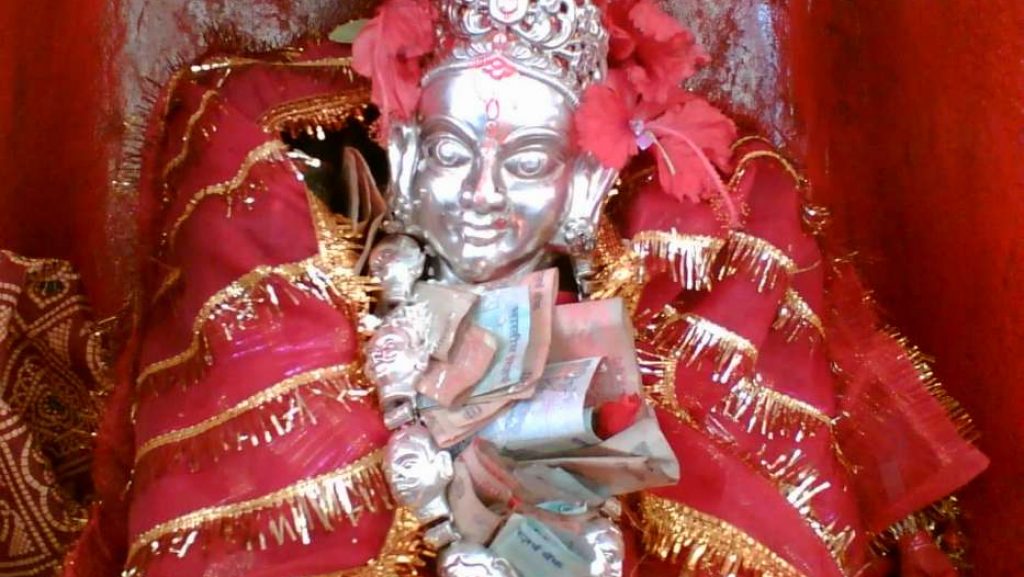
    Kudargarh Dham:

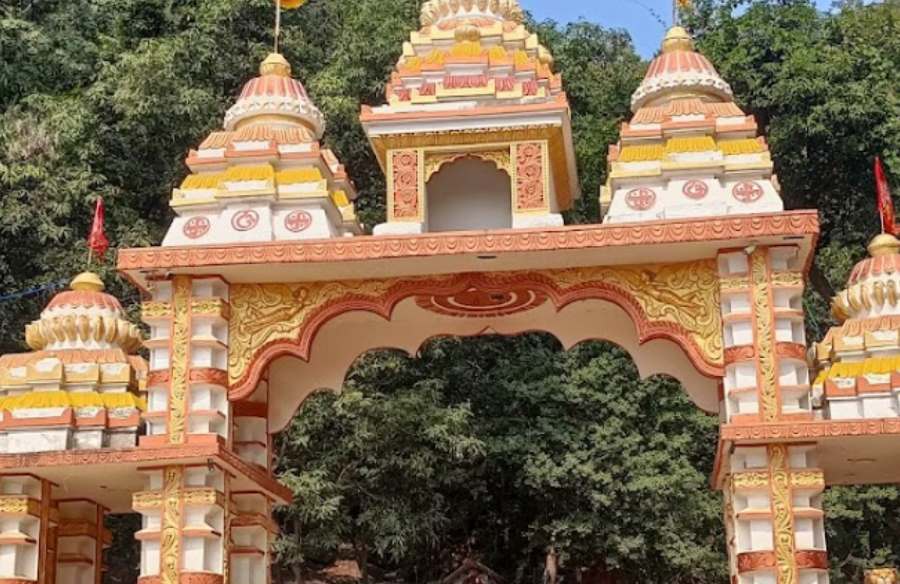
    The ancient temple of Kudargarhi Mata is situated in the Kudargarh mountain at a distance of about 45 km from the district headquarters, which is connected to the 17th century Khairbar Rajabaland hills. Along with the ancient idol of Kudargarhi Mata, Suraj Dhara, Nagdbara, Vijaykund and Purana Dham are the major places. A fair is organized here during Chaitra Navratri. The first puja of Kudargarhi Mata is performed by the Baiga family of Chervajan caste and the royal family. A goat is sacrificed near the temple and the blood drawn is brought into the Rakta Kund, but the Rakta Kund is never filled. Kudargarhi Mata is carried in a tiger. Due to this, the Mata is worshiped as Bageshwari Devi. Also known in its form. There are ancient idols in Purana Dham, at a distance of 01 km from the present temple, and many religious places nearby. Where even today the devotees reach both the Dhams of Mata with great faith and worship there.
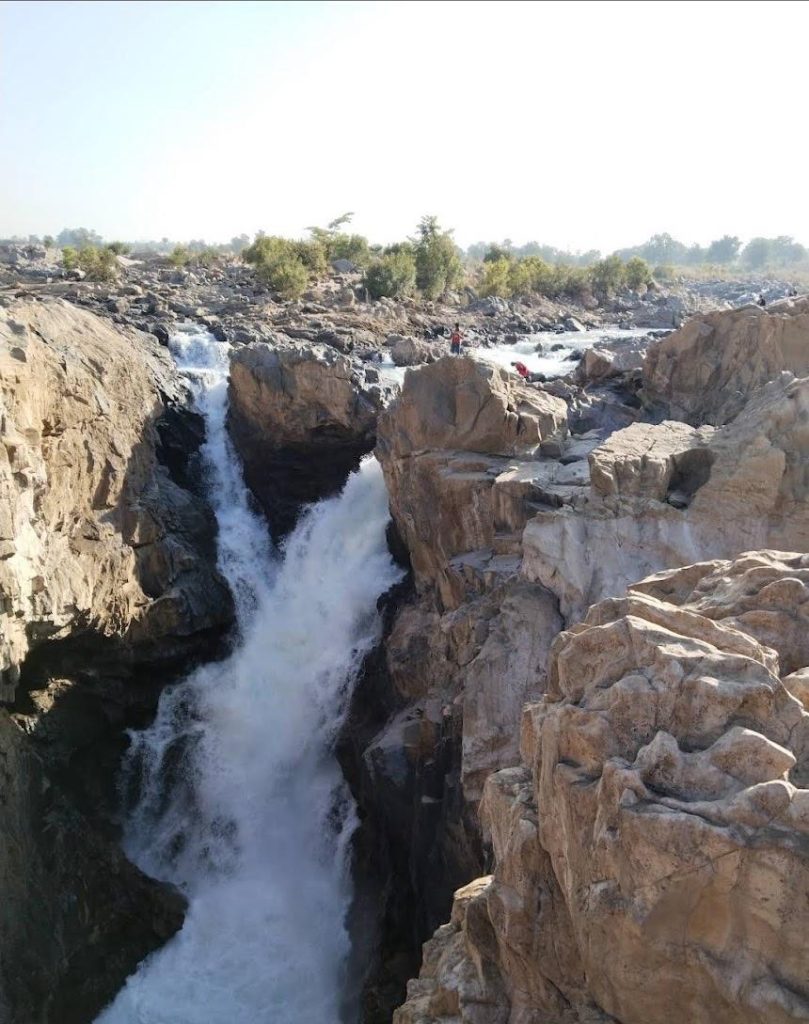
    Raksganda Waterfall:

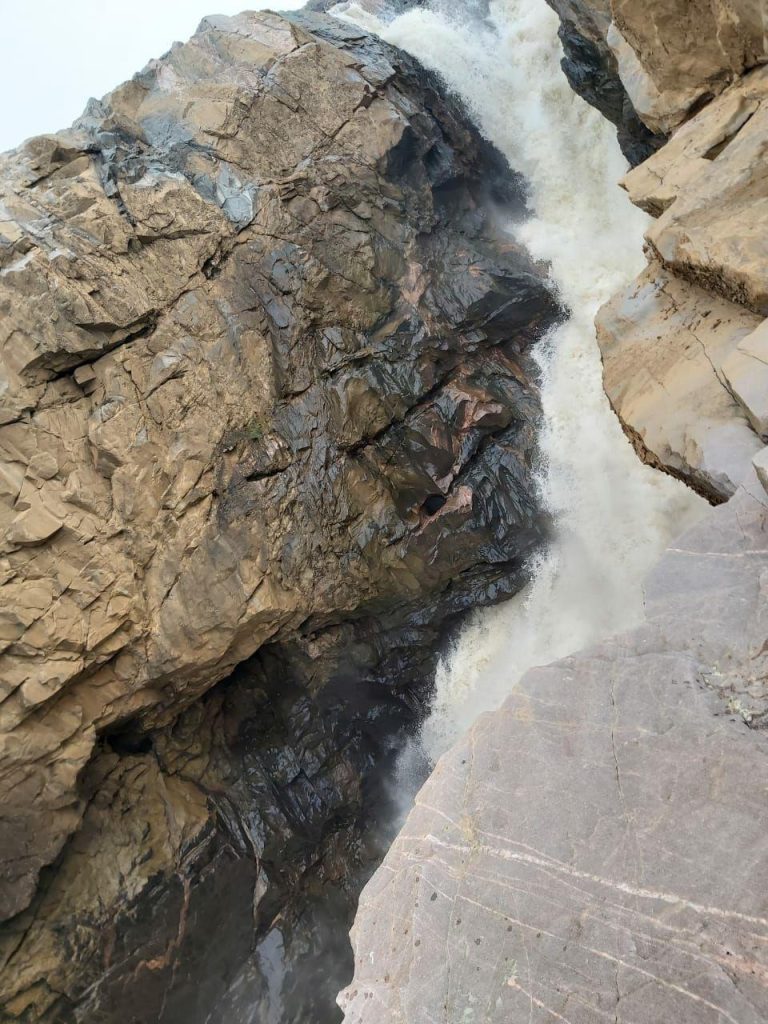
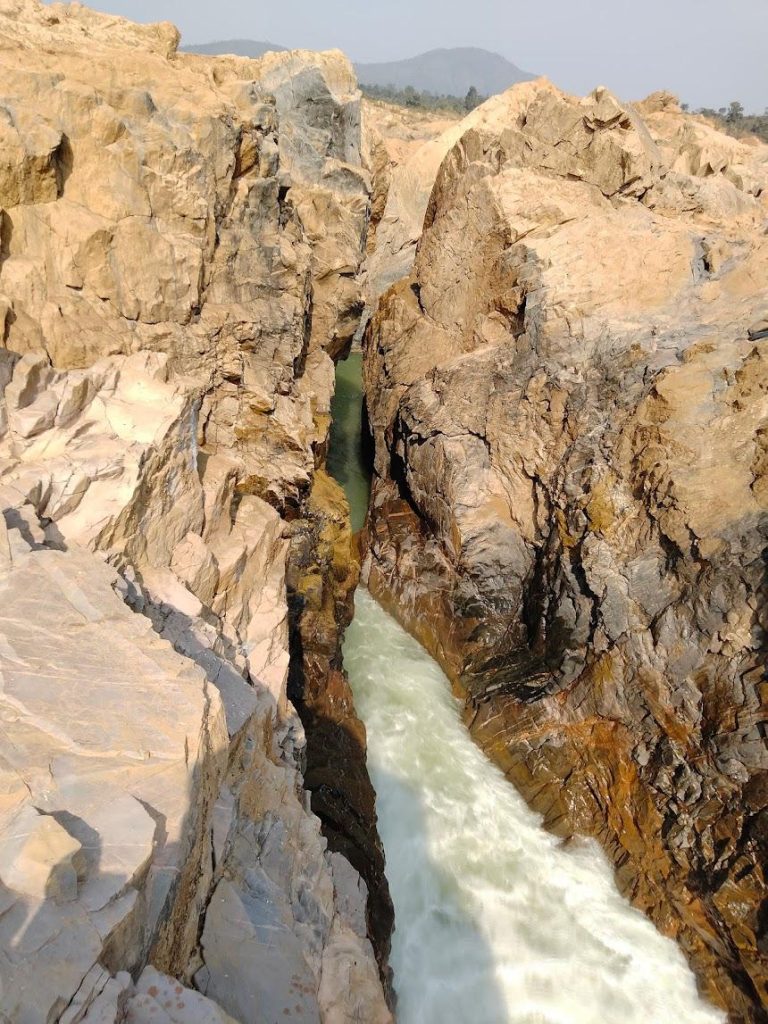
    The deepest waterfall in the division is situated on the Rihand River, near Navgai village, 110 kilometers from the Surajpur district headquarters.

    Sitalakhani/Laxmanpaon:

    Located approximately 75 kilometers from the Surajpur district headquarters, near the main road in Jelha village, lies the sacred site of Sitalekhani Hill and Lakshmanpaon, which is believed to date back to around the 9th or 10th century.

    Bank :

    Located approximately 56 kilometers from the district headquarters, the Bank Hot Spring is a prominent natural site situated on the banks of the Rihand River.

    Baijan Pat Hill:

    Rare wall paintings dating back to around the 14th or 15th century are depicted in the hills of Baijan Pat, located approximately 110 kilometers from the Surajpur district headquarters.

    Sarasor:

    Situated 42 kilometers from the Surajpur district headquarters on the banks of the Red River, Sarasor has established itself as a prominent religious site—a key location associated with Lord Rama’s exile to the forest.

    Khopa Daveta:

    Situated approximately 17 kilometers from the district headquarters stands an ancient idol of Khopa Dev. Here, alongside Khopa Dev, idols of Khopa Dai, Budhi Mai, and Jalhal Dev have been enshrined for nearly a century. Khopa Dev is revered as the Demon King—or *Daitya Raj*—specifically identified as the demon Banskasur. Devotees offer the sacrifice of goats to fulfill their vows and seek the realization of their wishes.

    Lakshman Paen:

    Located approximately 56 kilometers from the district headquarters, within Marhata village under the Pratapur Development Block, lies the site known as Lakshman Paen—a place said to be associated with Lord Rama’s exile to the forest.

    Tropic of Cancer:

    The Tropic of Cancer passes near the Bhaisamunda River on the Latori–Banaras road, situated approximately 62 km from the district headquarters; it serves as a major center of attraction.

    Shivpur Turra:

    An ancient temple dedicated to Lord Mahadev is situated at a distance of 5 kilometers from the headquarters of the Pratappur development block in Surajpur district, where a continuous stream of water flows down between the stones onto the Shivling.

    Tamor Pingla:

    Located within the Pratapur Development Block of the district, the Tamor Pingla Sanctuary is a significant site, naturally enveloped by forests. Centers for the rehabilitation of elephants have been established here.

    Rashtrapati Bhavan:

    Located approximately 31 kilometers from the Surajpur district headquarters, in the village of Pando Nagar, Rashtrapati Bhavan is a historical site. It was here, in 1952, that India’s first President, Dr. Rajendra Prasad, arrived and stayed overnight.

    Mahamaya Temple, Devipur:

    Devipur: Situated atop a hill in the village of Devipur—located adjacent to the district headquarters—stands the temple of Goddess Mahamaya. Here, on the auspicious occasion of Chaitra Navratri, members of the tribal community seek to propitiate the Goddess through various religious rituals and practices rooted in their ancient traditions. By sowing *Jaware* (sacred barley sprouts) and performing rites, they pray for their own well-being, a bountiful harvest, and the overall happiness and prosperity of their families and society. Grand fairs are held at this site during both Chaitra Navratri and Sharadiya Navratri.

    Kumeli Waterfall:

    Situated approximately 25 kilometers from the district headquarters, near the village of Parashurampur, Kumeli Waterfall is renowned as a prominent destination for recreation and sightseeing.

    Kenapara Tourist Site:


    Located in Kenapara village, near Vishrampur in the Surajpur district, an abandoned pond from an open-cast mine has been developed into a tourist center through the collaborative efforts of SECL and the District Administration; it has since emerged as a major center of attraction for the district.

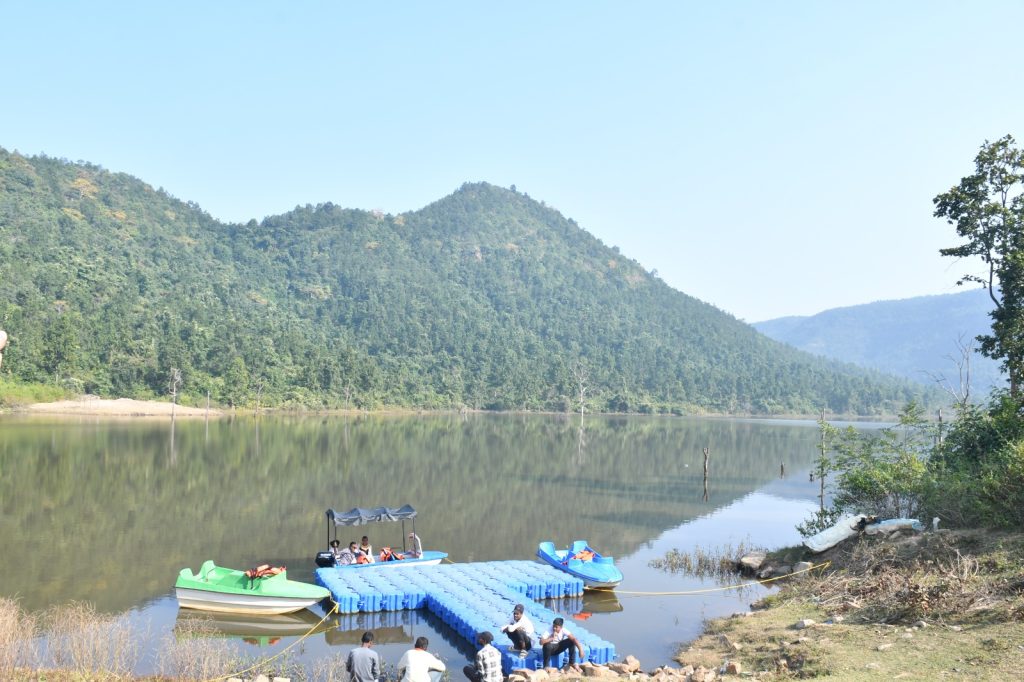
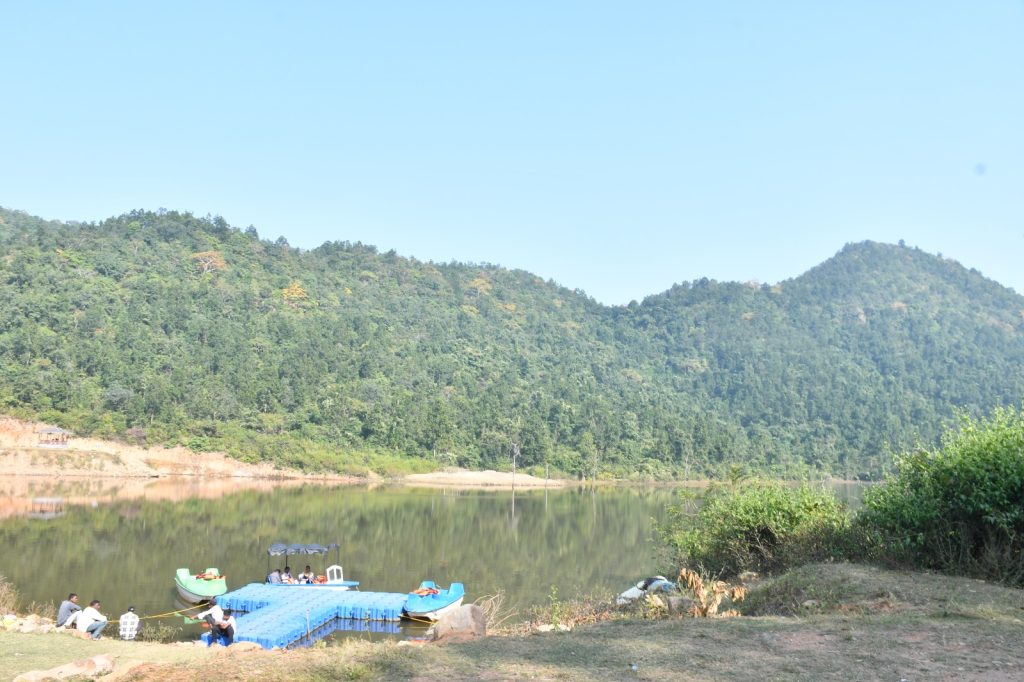
    Pahargaon Tourist Site:

    Located in the village of Pahargaon within the district, this site has been developed as a water tourism destination in collaboration with the Forest Department. It serves as a popular choice for tourists from across the district, who visit the natural surroundings of Pahargaon for boating activities and pre-wedding photoshoots.

    Rameshwar Nagar:

    In the village of Rameshwar Nagar, located within the Premnagar Development Block of Surajpur district, stands an ancient temple associated with Lord Rama’s exile to the forest.

    Gadhautiya Devi Dham:

    An ancient eight-armed idol of Gadhautiya Mata is enshrined atop the Gadhautiya Hill in the village of Maholi, situated approximately 80 kilometers from the district headquarters of Surajpur.